Key Electrical Features to Include in Modern Office Spaces
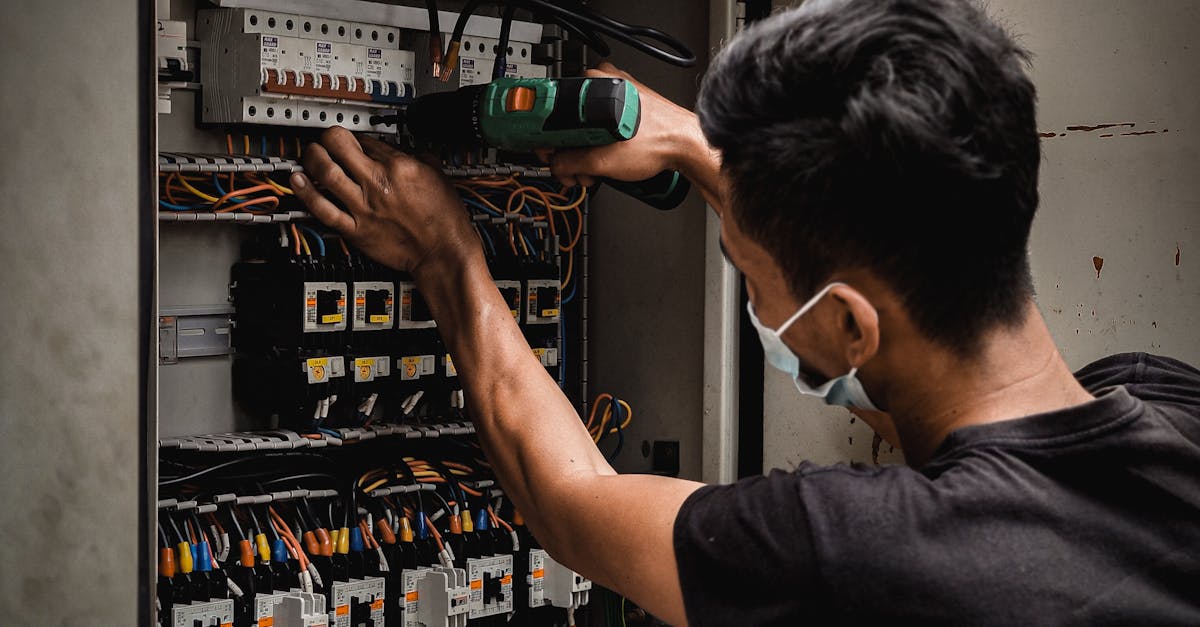
Table Of Contents
Safety and Compliance Standards
Establishing safety and compliance standards is crucial for modern office environments. Adhering to Australian standards, such as AS/NZS 3000, ensures that electrical installations are safe and suitable for workplace needs. Regular inspections and maintenance can prevent accidents and enhance overall workplace safety. Employers are responsible for ensuring that electrical systems meet the necessary safety regulations and provide a secure environment for all employees.
It is essential to incorporate safety features during the layout and design of office spaces. This may include strategically placed emergency exits, effective lighting, and the integration of circuit breakers and surge protectors. Regular testing of electrical systems helps identify potential hazards early. Documenting compliance with local and national regulations demonstrates a commitment to workplace safety and well-being.
Essential Electrical Regulations for Offices
Electrical installations in offices must adhere to specific regulations to ensure the safety of occupants and the functionality of equipment. The Australian Standards provide comprehensive guidelines for the design, installation, and maintenance of electrical systems. Notably, compliance with the AS/NZS 3000 is critical, as it sets the groundwork for ensuring a safe working environment. Regular inspections and certifications from qualified professionals help maintain adherence to these standards, minimising risks associated with electrical faults.
In addition to general safety regulations, offices must also consider the requirements related to emergency systems. These include provisions for emergency lighting, exit signs, and circuit configurations that support backup power during outages. Proper documentation of electrical installations plays a vital role in regulatory compliance. Keeping detailed records helps in audits and facilitates future modifications or expansions of electrical systems within the office environment.
Integrated Audio-Visual Systems
The integration of audio-visual systems is essential in modern office environments, allowing for seamless communication and collaboration. High-quality video conferencing equipment, projectors, and interactive displays facilitate connections between teams, whether they are working locally or remotely. By incorporating user-friendly interfaces, staff can quickly set up meetings, share presentations, and engage in discussions without technical difficulties.
Beyond basic meeting functionalities, these systems contribute to a dynamic workplace atmosphere. Companies can utilise digital signage to share important announcements, company updates, or performance metrics prominently within the office. The ability to easily switch between presentations and video calls enhances engagement during meetings, promoting a more productive work culture and fostering creativity among team members.
Enhancing Collaboration with Technology
Modern offices increasingly rely on technology to foster collaboration among teams. Integrated audio-visual systems play a crucial role in facilitating seamless communication. High-definition displays, smart projectors, and digital whiteboards allow for clearer presentations and brainstorming sessions. By equipping meeting rooms with user-friendly devices, employees can easily connect their laptops and share information, enhancing the overall productivity of group discussions.
Hybrid work environments further emphasise the need for advanced collaboration tools. Video conferencing solutions equipped with high-quality cameras and microphones ensure that remote team members feel included and engaged. These systems eliminate barriers caused by distance and create a cohesive workspace dynamic. An effective audio-visual setup not only supports in-house meetings but also strengthens relationships with clients and partners through professional interactions.
Smart Climate Control
Implementing smart climate control systems in modern office spaces significantly enhances workplace comfort and energy efficiency. These systems use sensors and smart technology to monitor and adjust heating, cooling, and ventilation according to occupancy and external weather conditions. This approach not only ensures a consistent and pleasant indoor environment but also reduces energy consumption, aligning with sustainability goals.
Automated controls can be integrated with existing building management systems, allowing for seamless operation and remote access. Employees can enjoy personal comfort settings that adapt to their preferences. Such technology can also provide real-time data and analytics, enabling businesses to make informed decisions regarding energy use and operational efficiency. This comprehensive approach to climate control contributes to a more productive work environment.
Benefits of Automated Heating and Cooling Systems
Automated heating and cooling systems significantly enhance energy efficiency within modern office environments. By employing smart thermostats and sensors, these systems adjust temperatures based on occupancy and specific time schedules. This adaptability leads to reduced energy consumption, ultimately lowering utility bills while contributing to a greener workplace.
Comfort plays an essential role in employee productivity and satisfaction. With automated systems, individuals are less likely to experience fluctuations in temperature that can hinder focus and motivation. Precise control allows for a more stable indoor climate, ensuring that employees remain comfortable throughout their workday. This technological integration not only improves day-to-day operations but also reflects a forward-thinking approach to office design.
FAQS
What are the key safety and compliance standards for electrical systems in modern offices?
Key safety and compliance standards include adhering to the Australian/New Zealand Wiring Rules (AS/NZS 3000), ensuring proper installation of electrical fixtures, and conducting regular safety audits to prevent electrical hazards.
How can integrated audio-visual systems enhance collaboration in office spaces?
Integrated audio-visual systems facilitate seamless communication and collaboration by providing tools such as video conferencing, interactive displays, and smart projectors, enabling teams to work together more effectively, regardless of their physical location.
What are the benefits of smart climate control systems in office environments?
Smart climate control systems offer several benefits, including improved energy efficiency, enhanced comfort for employees, and the ability to automate heating and cooling based on occupancy and weather conditions, leading to cost savings on energy bills.
Are there specific electrical regulations that offices must comply with in Australia?
Yes, offices must comply with various electrical regulations including AS/NZS 3000, AS/NZS 3760 for in-service safety inspection and testing of electrical equipment, and any local council requirements pertaining to electrical installations.
How can employers ensure the electrical systems in their offices are up to date?
Employers can ensure their electrical systems are current by performing regular maintenance checks, staying informed about new regulations, upgrading outdated equipment, and consulting with qualified electricians for assessments and improvements.
Related Links
The Importance of Compliance in Office Electrical FitoutsMaximising Energy Efficiency During Office Renovation Projects
Upgrading Electrical Infrastructure in Old Canberra Offices
Streamlining Electrical Systems for Efficient Office Layouts
Innovative Lighting Concepts for Canberra Office Environments
Enhancing Office Aesthetics with Custom Electrical Installations
Essential Electrical Considerations for Office Renovations
Choosing the Right Wiring Solutions for Commercial Fitouts
Navigating Workplace Electrical Upgrades in Canberra Offices